5G Network
5G networks are the next generation of mobile networks that promise to bring faster speeds and more reliable connections than ever before. In this post, we'll take a closer look at how 5G networks work and what makes them different from previous generations of mobile networks.
The first thing to understand about 5G networks is that they use a different type of radio frequency than previous generations. While 4G networks use frequencies in the range of 700 MHz to 2600 MHz, 5G networks use frequencies in the range of 24 GHz to 100 GHz. These higher frequencies allow for faster data transfer speeds and lower latency, but they also have a shorter range and are more easily blocked by obstacles such as buildings and trees.
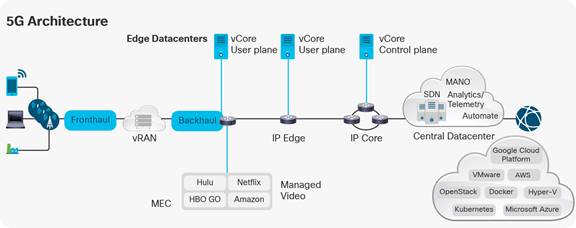
To overcome these challenges, 5G networks use a technique called beamforming. This involves using multiple antennas to focus the radio waves in a specific direction, which can help to increase the range and reduce interference. Additionally, 5G networks use a technology called Massive MIMO (multiple input, multiple output) which allows for more efficient use of the available spectrum by using many antennas to transmit and receive data.
Another key feature of 5G networks is the use of small cells. These are low-power base stations that can be installed in locations such as street lamps, buildings, and street corners. They have a much smaller coverage area than traditional cellular towers, but they can be placed much closer together. This allows for a denser network of base stations, which can help to improve coverage and capacity in urban areas.
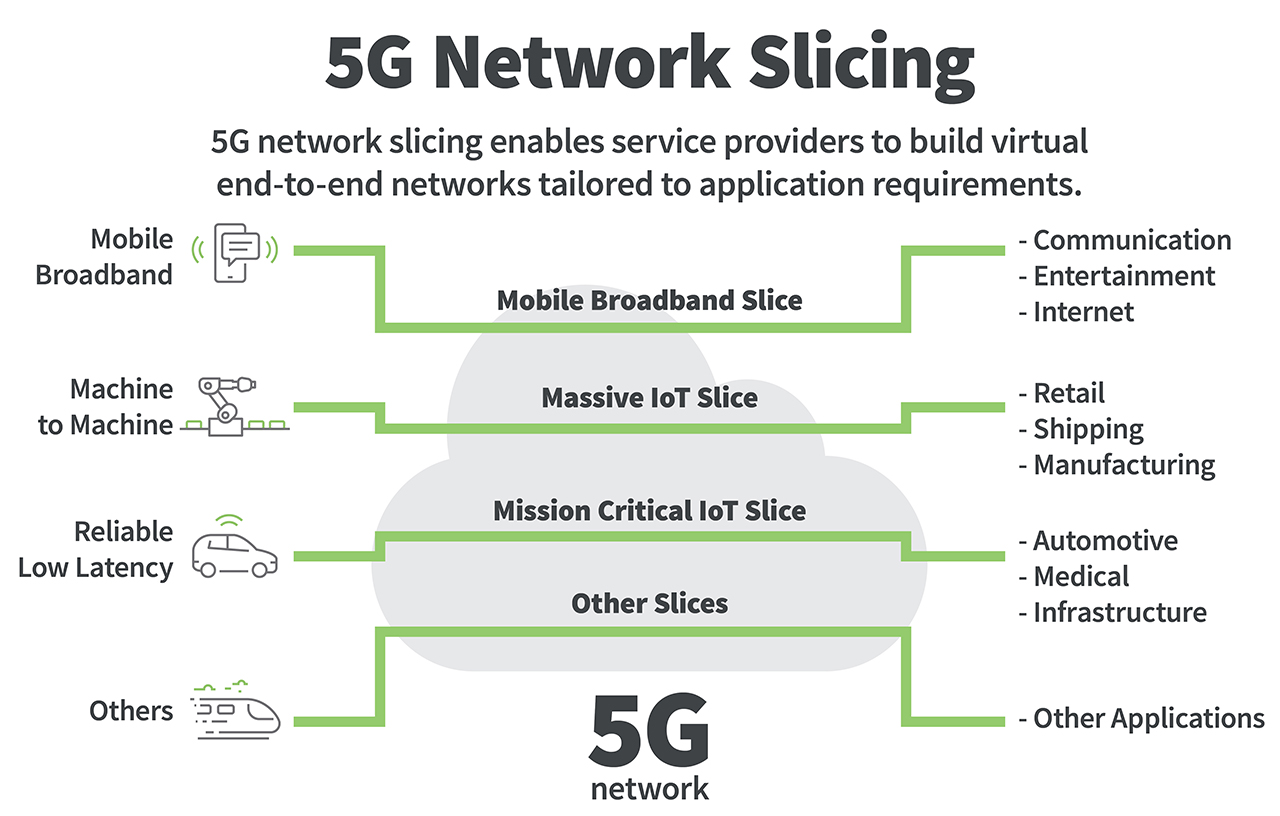
5G networks also use a technology called network slicing. This allows for the creation of multiple virtual networks on a single physical network. This can be used to provide different services to different users, such as high-speed internet for streaming video and low-latency connections for gaming. This can also be used to create dedicated networks for specific industries such as healthcare, transportation, and industrial automation.


Finally, 5G networks use a technology called edge computing. This allows for data processing to take place closer to the source, rather than in a centralized location. This can help to reduce latency and improve the efficiency of the network.
Overall, 5G networks are designed to provide faster and more reliable connections than ever before. They use higher frequencies, beamforming, Massive MIMO, small cells, network slicing, and edge computing to achieve this. However, it will take a few more years for all the countries to fully implement 5G, and for the technology to be widely available for consumer use.
Comments
Post a Comment